


Consultation & history
The most basic diagnostic method to identify the condition through symptom consultation and palpationUTERUS PRESERVATION
A common benign tumor that affects more than 40% of women of childbearing age.
The uterus is preserved and treated accurately.

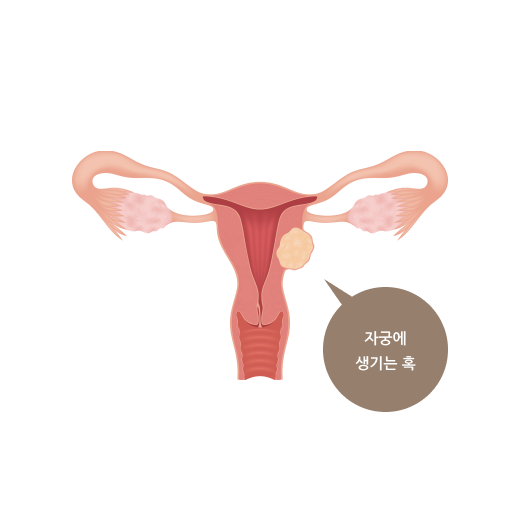
It is a benign tumor that occurs due to abnormal muscle cell growth in the uterus.
It is a common disease experienced by more than 40% of women of childbearing age.
There is a low possibility of it degenerating into a malignant tumor, but it can cause menstrual cramps, excessive menstruation, etc.
It is accompanied by various symptoms and, in severe cases, can cause infertility, premature birth, and infertility.
진료실에서 ‘자궁에 물혹이 있다’고 표현하는 경우가 있지만, ‘자궁물혹’은 정확한 의학적 진단명은 아닙니다. 실제 검사에서는 자궁근종, 자궁내막용종 등 서로 다른 상태로 확인될 수 있어 초음파 등으로 정확한 위치와 형태를 확인하는 것이 중요합니다.
그중 자궁근종은 자궁 근육층에서 생기는 양성 종양으로, 크기·위치·개수according to 생리과다, 통증, 빈혈, 복부 팽만감이나 빈뇨 등의 증상이 나타날 수 있습니다.
자궁근종으로 확인된 경우 치료방법은 증상과 근종의 상태according to 달라질 수 있습니다.
증상은 사람마다 다르며, 무증상으로 발견되는 경우도 많습니다.
Before pregnancy
Fibroids reduce the chances of pregnancyAfter pregnancy
Causes pain during pregnancyAt delivery
Problems with uterine contractions, causing excessive bleeding, etc.
Uterine fibroids—benign tumors growing in the uterus—often lack obvious early symptoms.
If left untreated,
they can lead to serious complications.
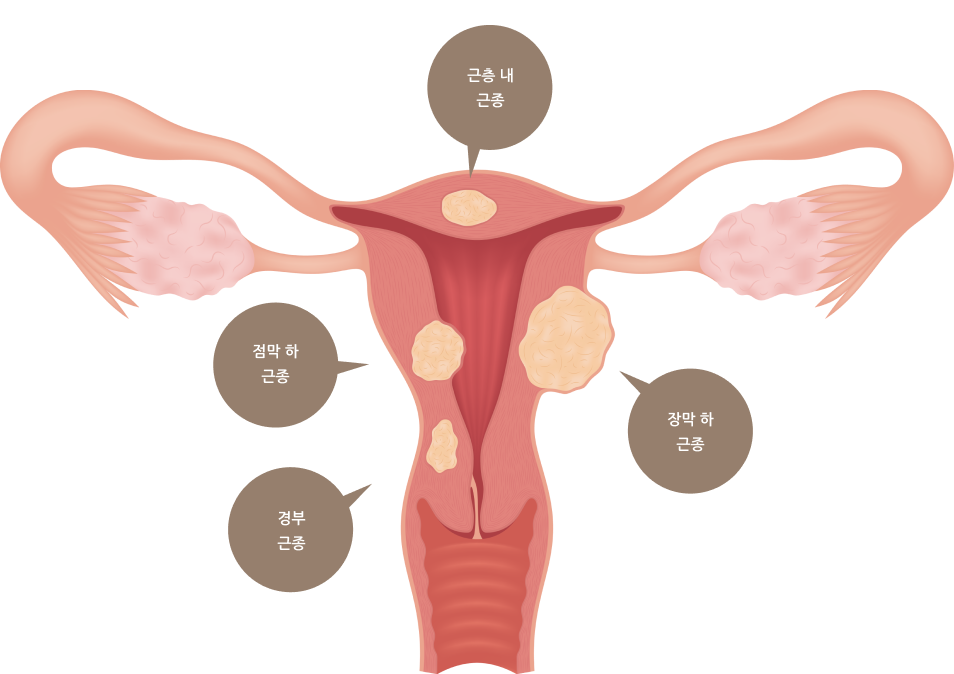
Intramuscular myoma
Intramural fibroids, in particular, enlarge the uterine surface area, significantly increasing menstrual bleeding and severe menstrual cramps.Subserosal fibroids
This is the second most common type after intramuscular myoma. It occurs right under the peritoneum and has no obvious symptoms.Submucosal fibroids
This is a rare but high-risk type that causes complications such as infertility and subfertility and uterine bleeding.Cervical fibroids
It interferes with menstrual discharge and birth canal, and depending on the location, it can cause constipation, back pain, and urination problems.자궁근종은 크기만으로 치료 여부를 결정하지 않습니다. 위치·개수·성장 속도, 출혈·통증·압박 증상, Pregnancy planning을 함께 평가하며, 작은 근종도 위치according to 증상을 유발할 수 있고 큰 근종도 상태according to 경과관찰을 선택할 수 있습니다.
No clear cause has been identified, but like other diseases,
It is presumed that it is caused by a combination of various causes.

자궁근종의 치료 여부는 크기 하나만으로 결정하지 않습니다. 근종의 위치와 개수, 성장 속도, 출혈·통증·압박 증상, Pregnancy planning과 초음파·MRI 검사 결과를 함께 확인해 치료 방향을 정합니다.
작은 근종도 위치according to 출혈이나 임신에 영향을 줄 수 있고, 큰 근종도 증상과 성장 양상according to 치료 방향이 달라질 수 있습니다.
Consultation & history
The most basic diagnostic method to identify the condition through symptom consultation and palpation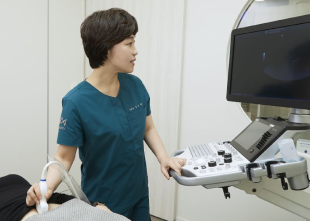
Ultrasound
Basic examination method to determine the presence or absence of lesions and the structure and condition of the uterus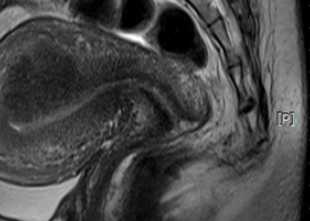
MRI
A detailed examination that can determine not only basic lesion information but also complex information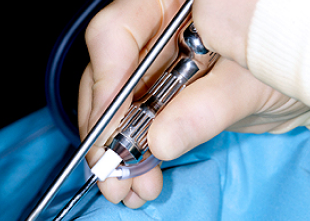
Hysteroscopy
Insert a special endoscope into the uterus and check the condition with the naked eye through a monitorWe understand the pain of living with uterine fibroids—Trinity never treats them as a simple condition.
Drawing on extensive research and surgical experience in uterine-preservation care, we are committed to treatment outcomes that truly make our patients smile.
치료는 경과관찰, 약물·호르몬 치료, 수술적 치료, 에너지 기반 치료(하이푸 등), High-frequency dissolution 등 여러 선택지가 있으며, 증상·근종의 크기·위치·개수·Pregnancy planningaccording to 달라질 수 있습니다.
Radiofrequency ablation
Treatment that preserves the uterus by selectively dissolving lesions with high-frequency energy — Accurate target treatment is possible without laparotomy.
자궁근종 High-frequency dissolution See details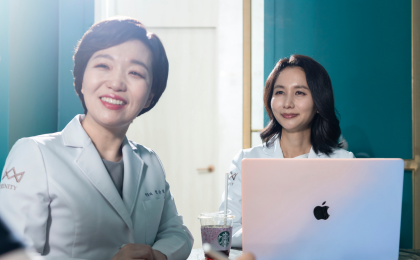
Constant research
With an attitude of constant research and concern, we strive to help patients suffering from diseases regain their health as soon as possible.Precision examination program
Through a detailed examination program, the patient's condition is carefully checked and a customized treatment method is selected to reduce the risk of side effects such as uterine damage.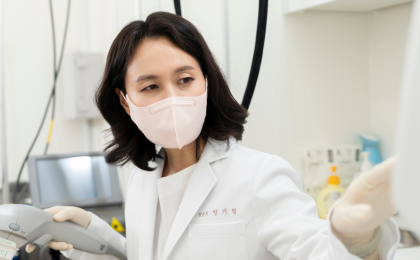
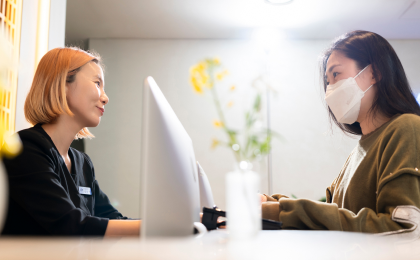
Meticulous follow-up care
Even after treatment, we provide consistent care to help patients recover their health, conduct regular checkups to prevent recurrence, and take care of the patient's health through meticulous follow-up care that does not miss even the smallest details.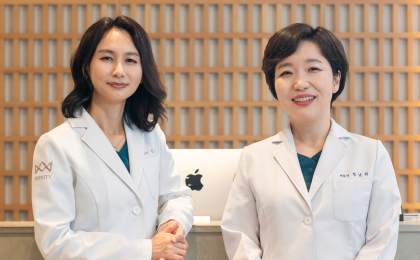
Graduated from university hospital
Medical staff specializing in laparoscopy
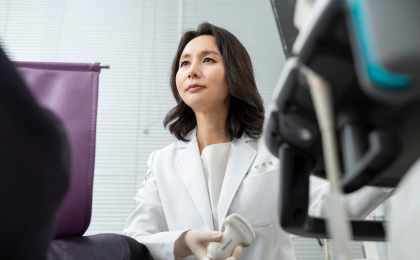
various cases
clinical experience
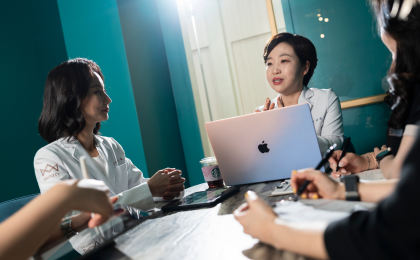
꾸준한
case study
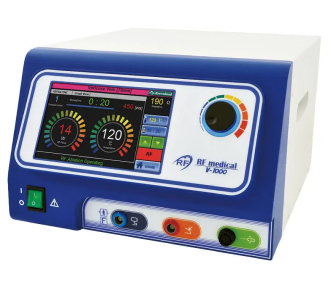
precision high frequency
Introduction of dissolution equipment
1:1
Responsibility counseling

편안한
Treatment space
CLINIC SELECTION GUIDE
자궁근종은 크기만이 아니라 위치와 개수, 생리과다·빈혈·통증·압박 증상, Pregnancy planningaccording to 치료 방향이 달라집니다. 자궁근종수술 병원을 찾고 있다면 수술 가능 여부뿐 아니라 정확한 진단과 다른 치료방법을 함께 비교해 설명하는지 확인하는 것이 중요합니다.
01
점막하·근층내·장막하 근종은 증상과 임신에 미치는 영향, 치료 접근 방식이 서로 다를 수 있습니다. 크기 하나만으로 치료를 결정하지 않는지 확인해야 합니다.
02
초음파 결과뿐 아니라 생리량, 빈혈, 골반통, 빈뇨나 복부 압박 등 실제 생활에 미치는 영향을 함께 평가해야 합니다.
03
향후 Pregnancy planning이 있다면 근종 위치와 자궁내막 변형, 자궁 보존 필요성을 함께 검토해야 합니다.
04
심한 출혈과 빈혈, 통증, 장기 압박, 근종의 성장 변화나 임신에 미칠 가능성 등을 고려해 수술적 치료를 검토할 수 있습니다. 다만 수술 여부는 크기만으로 결정하지 않습니다.
05
경과관찰, 약물치료, 자궁경·복강경·개복 수술, 하이푸·High-frequency dissolution 등은 적용 대상과 목표가 다릅니다. 특정 치료만 권하지 않고 각각의 장점과 한계를 설명하는지 확인해야 합니다.
06
After treatment 근종 크기와 증상 변화, 생리량과 빈혈 회복 여부 등을 확인하는 추적 계획이 필요합니다.
Trinity Women's Clinic 자궁보존센터는 산부인과 전문의가 초음파와 필요한 검사 결과를 확인해 근종의 위치·크기·개수와 출혈·통증·압박 증상, Pregnancy planning을 함께 평가합니다. 수술이 필요한 경우와 경과관찰 또는 자궁보존 치료를 검토할 수 있는 경우를 구분해 설명합니다.
surgical treatment 필요한 경우에는 해당 치료가 가능한 의료기관의 평가가 필요할 수 있습니다.
수술 건수나 광고 문구만 보기보다 근종의 위치·개수·크기와 증상, Pregnancy planning을 충분히 평가한 뒤 수술 필요성과 다른 치료방법을 함께 설명하는지 확인하는 것이 중요합니다. 복강경·자궁경·개복 수술이 필요한 경우와 자궁보존 치료를 검토할 수 있는 경우를 구분해 안내하는지도 살펴봐야 합니다.
Trinity Women's Clinic은 서울 Sinsa Station, Gangnam-gu 인근에 위치하며, 자궁근종의 검사와 수술 필요성, 자궁보존 치료 방향을 상담합니다. 진료시간과 Directions 보기
의학적 내용 검토 · 정난희·양기열 대표원장 · 산부인과 전문의
최종 검토 2026.08.11
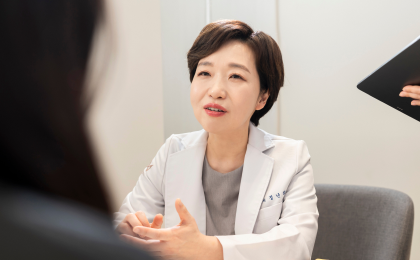
A female medical specialist provides 1:1 consultation. Please feel free to contact us.
자궁근종·자궁선근증 진료 경험을 바탕으로 환자의 증상과 검사 결과를 직접 확인합니다.
수술 여부만이 아니라 근종의 크기·위치·개수, 증상, Pregnancy planning을 함께 고려해 치료 방향을 안내합니다.
초음파·MRI 등 검사 결과를 바탕으로 치료 전후 상태와 경과를 꼼꼼하게 확인합니다.
의학적 내용 검토: 정난희·양기열 대표원장
최종 검토일: 2026.08.07 · medical staff introduction