

Consultation & history
The most basic diagnostic method to identify the condition through symptom consultation and palpationUTERUS PRESERVATION
Abnormally thickened uterine muscle layer.
Common causes of menstrual cramps and menorrhagia are treated while preserving the uterus.
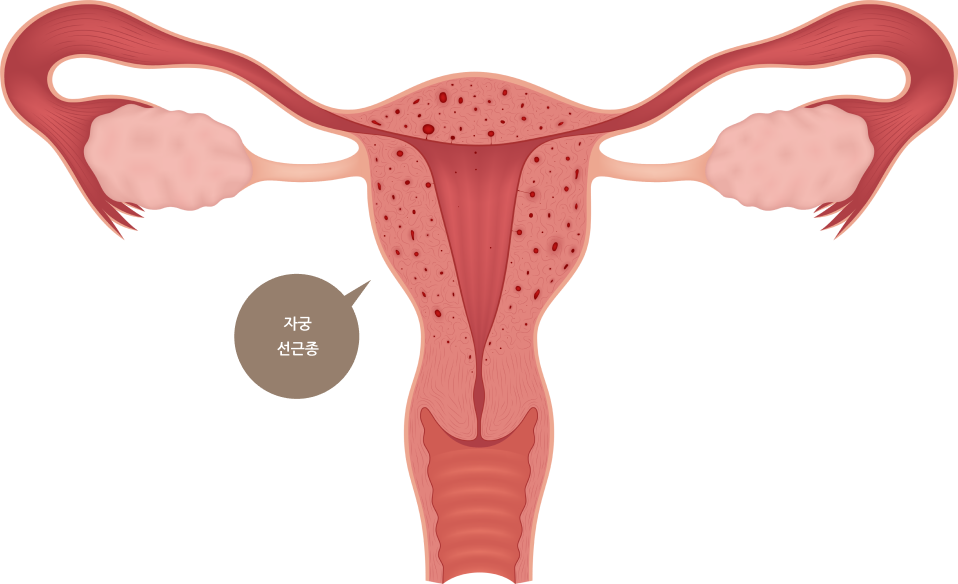
Adenomyosis is often described as a condition where the muscular wall of the uterus thickens, causing the entire uterus to enlarge.
This overproliferated tissue causes severe, squeezing lower abdominal pain during menstruation.
증상은 사람마다 다르며, 무증상으로 발견되는 경우도 있습니다.
Menorrhagia
Symptoms such as anemia and menstrual crampsEnlarged uterus
Uterine pain becomes worse as the fetus grows.Intrauterine bleeding
Implantation is prevented due to bleedingUterine contraction
Interferes with a stable pregnancy
Adenomyosis—an abnormally thickened uterine muscle layer—is a common cause of menstrual cramps and heavy bleeding,
and can lead to infertility.
Adenomyosis is a benign condition similar to uterine fibroids,
and is often mistaken for fibroids.
No clear cause has been identified, but like other diseases,
It is presumed that it is caused by a combination of various causes.

자궁선근증은 자궁 크기나 자궁벽 두께만으로 치료방법을 결정하지 않습니다. 생리통·과다출혈과 빈혈의 정도, 병변 범위, 자궁 크기, Pregnancy planning, 연령과 폐경 여부, 이전 치료 반응을 함께 평가합니다.
같은 자궁선근증이라도 증상과 병변의 범위, Pregnancy planningaccording to 미레나·하이푸·용해술·수술 등 검토할 수 있는 치료 방향이 달라질 수 있습니다.
Consultation & history
The most basic diagnostic method to identify the condition through symptom consultation and palpation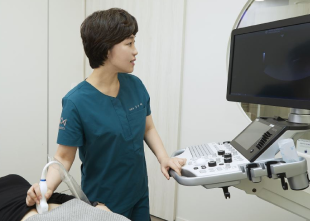
Ultrasound
Basic examination method to determine the presence or absence of lesions and the structure and condition of the uterus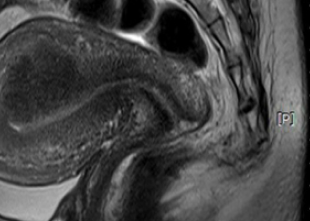
MRI
A detailed examination that can determine not only basic lesion information but also complex information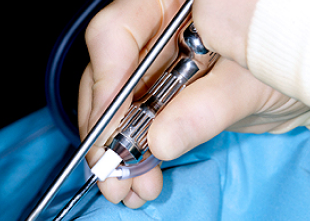
Hysteroscopy
Insert a special endoscope into the uterus and check the condition with the naked eye through a monitor치료는 경과관찰, 진통제·약물치료, 호르몬 치료, 미레나, 하이푸 등 에너지 기반 치료, High-frequency dissolution, 수술적 치료 등 여러 선택지가 있습니다. 증상 조절과 병변 치료를 구분해, Pregnancy planning과 자궁 보존 필요성을 함께 고려합니다.
Radiofrequency ablation
Treatment that preserves the uterus by selectively dissolving lesions with high-frequency energy — Accurate target treatment is possible without laparotomy.
자궁선근증 자궁보존 치료 See details
Constant research
With an attitude of constant research and concern, we strive to help patients suffering from diseases regain their health as soon as possible.Precision examination program
Through a detailed examination program, the patient's condition is carefully checked and a customized treatment method is selected to reduce the risk of side effects such as uterine damage.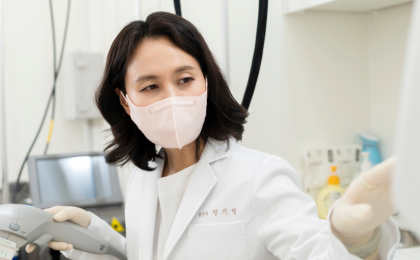
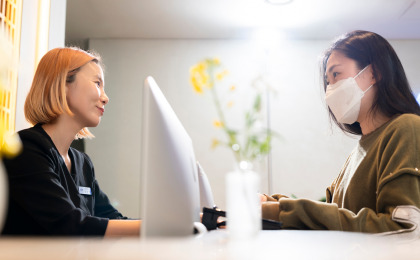
Meticulous follow-up care
Even after treatment, we provide consistent care to help patients recover their health, conduct regular checkups to prevent recurrence, and take care of the patient's health through meticulous follow-up care that does not miss even the smallest details.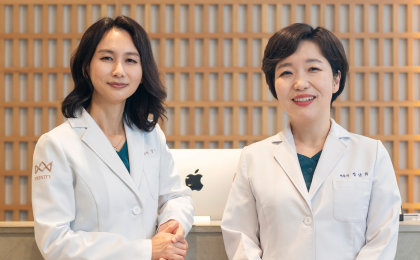
Graduated from university hospital
Medical staff specializing in laparoscopy
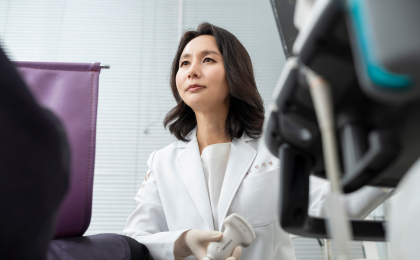
various cases
clinical experience

꾸준한
case study
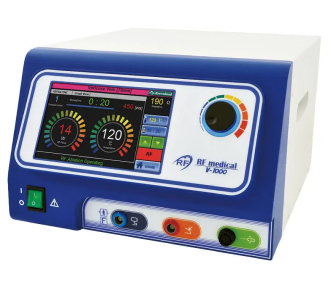
precision high frequency
Introduction of dissolution equipment
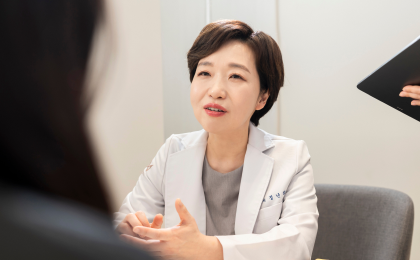
1:1
Responsibility counseling
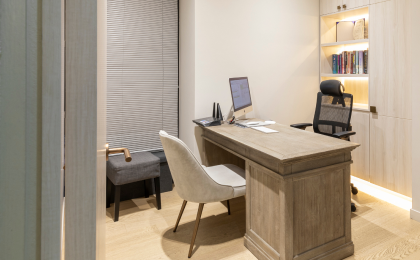
편안한
Treatment space
CLINIC SELECTION GUIDE
자궁선근증은 자궁근종과 증상이 비슷할 수 있지만 병변이 자궁근육층에 퍼지는 양상과 치료 접근이 다를 수 있습니다. 자궁선근증수술 병원을 찾고 있다면 증상과 병변 범위, Pregnancy planning을 평가한 뒤 수술과 다른 치료방법을 함께 설명하는지 확인해야 합니다.
01
자궁근종은 경계가 비교적 분명한 덩어리 형태로 나타날 수 있지만, 자궁선근증은 자궁근육층에 퍼지는 양상으로 보일 수 있습니다. 초음파와 필요한 검사를 통해 두 질환을 구분해 설명하는지 확인해야 합니다.
02
자궁선근증은 병변 크기뿐 아니라 생리량, 통증, 빈혈과 일상생활 영향이 치료 결정에 중요합니다.
03
국소형인지 광범위한 병변인지, 자궁 크기와 주변 장기 압박이 어떤지according to 치료 방향이 달라질 수 있습니다.
04
증상이 매우 심하거나 다른 치료로 조절되지 않는 경우, Pregnancy planning과 병변 범위를 고려해 수술적 치료를 검토할 수 있습니다. 다만 모든 자궁선근증 환자에게 수술이 필요한 것은 아닙니다.
05
약물치료, 미레나, 하이푸, 고주파 치료, 병변 절제 또는 자궁적출 등은 적용 대상과 한계가 다릅니다. 연령, 증상, Pregnancy planning과 병변 범위를 바탕으로 치료 선택지를 비교해야 합니다.
06
After treatment 생리량과 통증, 빈혈, 자궁 크기와 병변 변화 등을 확인하는 추적관찰 계획이 필요할 수 있습니다.
Trinity Women's Clinic 자궁보존센터는 산부인과 전문의가 초음파와 필요한 검사 결과를 바탕으로 자궁근종과 자궁선근증의 가능성을 구분하고, 생리과다·통증·빈혈, 병변 범위와 Pregnancy planning을 함께 평가합니다. 수술이 필요한 경우와 약물 또는 자궁보존 치료를 검토할 수 있는 경우를 구분해 안내합니다.
surgical treatment 필요한 경우에는 해당 치료가 가능한 의료기관의 평가가 필요할 수 있습니다.
자궁선근증은 병변의 범위와 자궁 크기뿐 아니라 생리과다·통증·빈혈, Pregnancy planning을 함께 평가해야 합니다. 수술 필요성과 자궁적출 외 치료 가능성을 구분해 설명하고, After treatment 증상과 병변을 추적하는지 확인하는 것이 중요합니다.
Trinity Women's Clinic은 서울 Sinsa Station, Gangnam-gu 인근에 위치하며, 자궁선근증의 증상과 병변 범위, 수술 및 자궁보존 치료 방향을 상담합니다. 진료시간과 Directions 보기
의학적 내용 검토: 정난희·양기열 대표원장
최종 검토일: 2026.08.07 · medical staff introduction
자궁선근증의 증상, 자궁 크기와 병변 범위, Pregnancy planning을 함께 확인해 환자에게 맞는 치료 방향을 안내합니다.
생리통·과다출혈과 검사 결과를 바탕으로 자궁선근증의 상태를 직접 확인합니다.
수술 여부만이 아니라 증상, 병변 범위, Pregnancy planning과 연령을 함께 고려합니다.
초음파·MRI 결과와 치료 반응을 확인하며 이후 경과까지 지속적으로 살핍니다.