
01
Medication
증상 유형according to 약물로 배뇨 조절을 돕는 보존적 치료입니다.
TRINITY WOMEN'S CLINIC
urinary incontinence,Stop worrying inside!
Trinity Women's Clinic pursues minimally invasive surgical approaches.
A short surgery time, with lasting results.
기침할 때, 웃을 때, 운동할 때.
일상을 조심하게 만드는 urinary incontinence,
참는 문제가 아니라,
정확히 구분하고 치료할 문제입니다.
Even with the same mini-sling, differences in outcomesAccuracy of preoperative diagnosis, surgical planning, and recovery care에서 나뉩니다.
Trinity Women's ClinicFour key criteria for stress incontinence surgeryis checked first.
01
요역동학 검사·초음파로 복압성 비중·중증도is quantified first to determine whether surgery is necessary.
02
A schedule that considers your return to daily lifeWe guide you through this process and explain a specific return sequence based on work, household tasks, and exercise.
03
sleep anesthesia·최소절개 원칙으로 수술 부담을 낮추고, After surgery 통증·불편감은 단계별 관리로 조절합니다.
04
We provide focused care for 1–3 months after surgery. Pelvic floor exercises · abdominal pressure management · regular checkupsare connected to plan through recurrence prevention.
Urodynamic test & 1:1 consultation
All of the above criteria are Test results and consultation을 바탕으로 개인별로 안내합니다.
Comparison of prevalence by age group. Women in their 40s–50sis the highest.
30s
40s
높음
50s
높음
* The rate is particularly high among women in their 40s and 50s; diagnosis and consultation are recommended at the early stage of symptoms.
01
초기에 진단·치료해야 합니다
발병률이 높은 40~50대일수록,
증상이 가벼울 때 점검하는 것이 중요합니다.
02
수술이 무섭다고 미루게 됩니다
두려움 때문에 치료를 미루다 보면,
정작 치료가 필요한 시기를 놓치기 쉽습니다.
03
단 15분이면 끝나는 미니슬링
짧은 시술·Same-day discharge 중심으로,
수술 부담을 낮춘 선택지를 확인할 수 있습니다.
This procedure uses a special tape to physically support and stabilize the descended urethra. 회음부 절개가 없어 흉터 부담이 적고, 짧은 시술 시간으로 Same-day discharge이 가능합니다.
회음부 절개 없이 시술되어 눈에 띄는 흉터를 남기기 어렵고, 질내 절개 면이 작아 출혈·상처가 적은 편이며 회복이 빠릅니다. 기존 방식보다 수술 시간이 짧고, 문제 발생 시 제거가 비교적 용이합니다.
Medication, physical therapy, or surgery is selected according to your symptoms.
04
It restores support in stress urinary incontinence, improving key symptoms. Recovery is also relatively quick.
01
증상 유형according to 약물로 배뇨 조절을 돕는 보존적 치료입니다.
02
골반저 근육의 수축·이완을 스스로 인지하며 훈련하는 물리치료입니다.
03
약한 전기자극으로 골반저 근육 활성화를 돕는 치료입니다.
04
It restores support in stress urinary incontinence, improving key symptoms. Recovery is also relatively quick.
Surgical site
Anesthesia
Pain · scarring
Surgery time
Hospitalization
Complications
| 기존의 Urinary incontinence surgery치료 | VS | Mini-sling treatment for urinary incontinence |
|---|---|---|
| Anterior vaginal wall + abdomen + thigh | Surgical site | Anterior vaginal wall |
| Spinal anesthesia | Anesthesia | Local anesthesia, sedation |
| Present | Pain · scarring | None |
| About 30 minutes | Surgery time | Within 15 minutes |
| 입원필요 | Hospitalization | 당일퇴원가능 |
| Bladder perforation, voiding dysfunction | Complications | 상대적으로 적음 |
요역동학검사 등 급여 기준과 진료 결과according to 건강보험 적용 여부가 결정됩니다.
01
증상과 진찰 확인
02
필요한 검사와 급여 기준 검토
03
건강보험 적용 여부 안내
Health insurance
Under the Ministry of Health and Welfare notice effective December 2011, National Health Insurance applies when surgery is determined necessary based on urodynamic testing.
Private insurance
Depending on your policy, private insurance may also cover urinary incontinence surgery costs of up to 5 million KRW.
복압성요실금 증상 개선을 치료 목표로 안내합니다. 개인별 결과는 다를 수 있습니다.
BEFORE
AFTER · 치료 목표
아래는 상담 시 자주 확인하는 상황입니다. 빈뇨·야간뇨는 절박성 증상일 수 있어 복압성 수술 적응과 별도로 평가합니다.
크게 웃거나 재채기할 때 If urine leaks
복압성 증상과 직접 관련
줄넘기·점핑 등 운동 시 If urine leaks
복압성 증상과 직접 관련
성관계 시 If urine leaks
상담·검사로 원인 확인
패드를 일상적으로 사용하게 된 경우
일상 불편이 큰 경우
보존적 치료로 충분한 개선이 어려운 경우
수술 적응 검토 대상
빈뇨·야간뇨가 있는 경우
절박성 가능 — 수술 적응과 별도 평가
01
복압성·절박성·혼합성 여부를 문진과 진찰로 확인합니다.
02
소변검사 등 필요한 검사와 수술 적응증을 검토합니다.
03
미니슬링·TOT 등 환자 상태에 맞는 방법을 설명합니다.
04
배뇨·잔뇨·출혈·통증을 확인하고 퇴원 시기를 판단합니다.
05
일상 복귀와 생활관리, 경과 확인을 안내합니다.
Medical Team
산부인과 전문의 · 요실금 진료·의학적 내용 검토

OBGYN specialist
OBGYN specialist


Urinary incontinence commonly follows childbirth and aging, but it does not have to be left untreated. With a precise evaluation we identify the cause and improve symptoms through tailored options such as surgery and behavioral therapy.
Trinity Women's Clinic provides urinary incontinence testing and sling surgery. 일상으로 돌아가는 회복Aims for.
Dr. Nanhee Jeong & 양기열
Trinity Women's Clinic
These are urinary incontinence surgery reviews left directly by patients.

“I had to wear a pad because every time I coughed it would turn red. After surgery, I stay without pads. “The consultation was easy and I am satisfied with the results.”
- Surgery review written by a female patient in her 40s -
#StressUrinaryIncontinence #Without pad
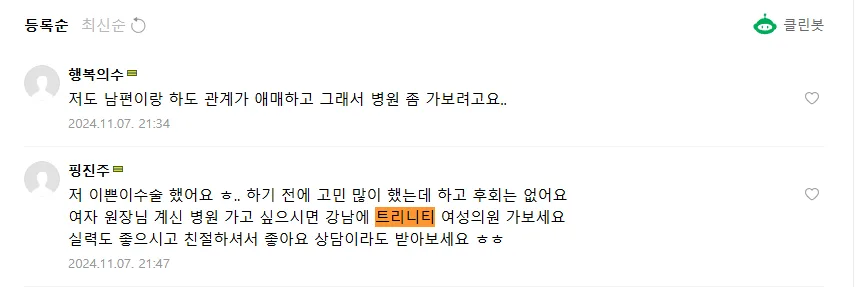
Sinsa Station, Trinity, you know..
Because exercise alone has its limitations,
I had the surgery, and I think it was the right decision.
- Urinary incontinence comment review from a female patient on a moms' community -
#Same-day discharge #Fast recovery
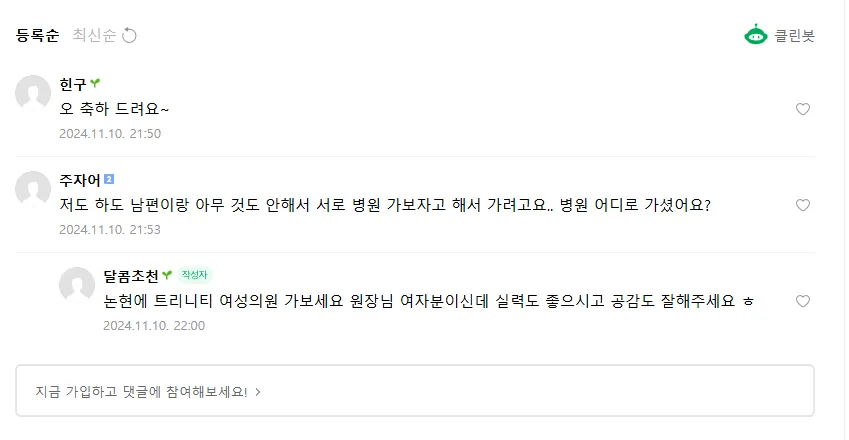
“It’s a female director.Please be easy to talk to and explain well. “I trusted him because he examined me thoroughly before the surgery.”
- Surgery review written by a female patient in her 40s -
#Female Director #Meticulous examination
Urinary incontinence is the involuntary leakage of urine. 복압성·절박성·혼합성according to 치료 방향이 달라질 수 있습니다.
자세한 안내는 요실금 증상·원인·치료 안내에서 확인할 수 있습니다.
출산·골반저 약화
요도 지지력이 떨어지며 복압성 증상이 나타날 수 있습니다.
노화·호르몬 변화
조직 탄력 저하와 배뇨 조절 변화가 동반될 수 있습니다.
복압 증가 요인
만성 기침·복부 비만 등은 증상을 악화시킬 수 있습니다.
Before Consultation
기침·재채기·운동 시 소변이 새는 복압성요실금이 있고, 보존적 치료로 충분한 개선이 어렵거나 일상 불편이 큰 경우 진찰과 필요한 검사 결과를 바탕으로 수술을 고려할 수 있습니다.
요실금 유형을 먼저 구분하는지, 수술 필요성을 증상과 검사로 판단하는지, 환자에게 맞는 수술법을 설명하는지, After surgery 배뇨와 회복 상태를 확인하는지를 살펴보는 것이 중요합니다.
두 수술 모두 요도 지지력을 보완하지만 테이프의 길이와 고정 방식, 절개 범위에 차이가 있습니다. 적합한 수술법은 증상과 검사 결과, 해부학적 상태를 확인한 뒤 결정합니다.
Related Media
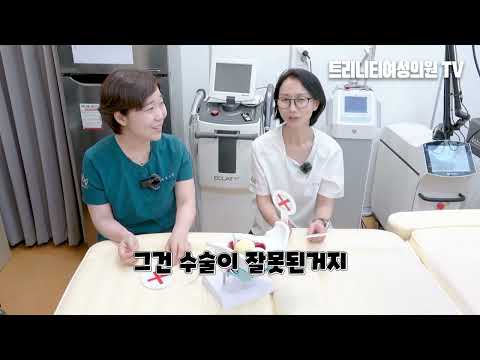
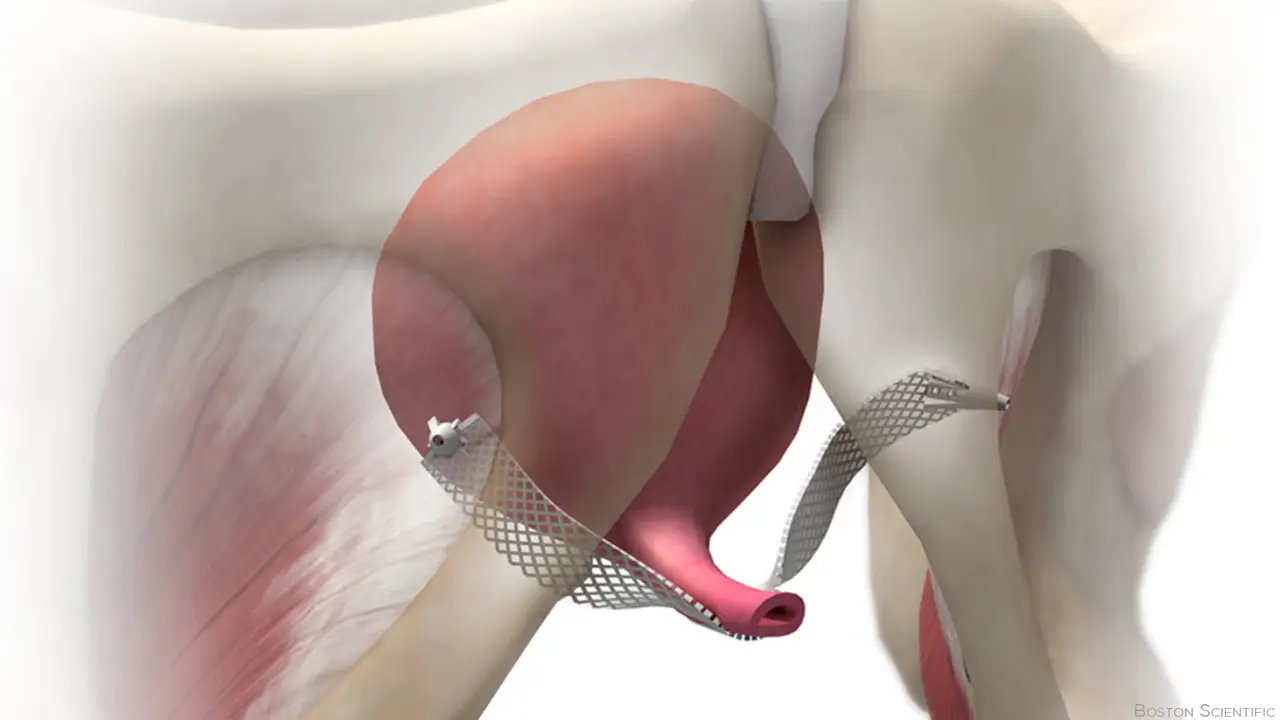
복압성 Urinary incontinence surgery은 요도를 세게 조이는 것이 아니라, 얇은 메쉬(테이프)로 요도를 살짝 지지해 주는 방식입니다. 기침·웃음처럼 복압이 올라도 요도가 과도하게 움직이지 않아 소변이 새지 않게 돕습니다.
영상 보기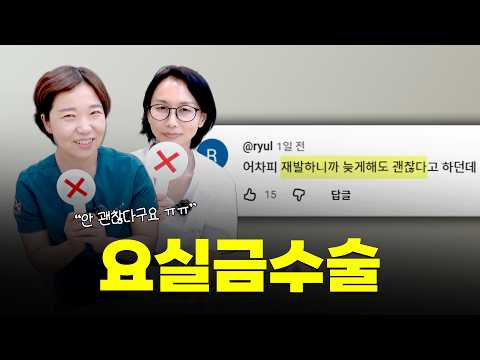
질을 통해 질벽 안으로 메쉬(슬링 테이프)를 심어 요도를 지지하는 방식입니다. 제대로 수술이 됐다면 성관계 때 걸리는 일은 없고, 테이프가 질벽 밖으로 노출될 일도 보통 없습니다. Urge urinary incontinence(참기 힘들고 가는 도
영상 보기수술법보다 진단 과정·수술 적응증·보험 안내·Post-operative care까지 함께 확인하는 것이 중요합니다.
요실금수술 병원 추천 정보를 확인할 때는 요실금 유형을 먼저 구분하는지, 증상과 검사 결과로 수술 필요성을 판단하는지, 환자 상태에 맞는 수술법과 Post-operative care 과정을 설명하는지를 함께 살펴보는 것이 중요합니다.
복압성요실금은 기침·재채기·운동처럼 배에 힘이 들어갈 때 소변이 새는 증상이고, 절박성요실금은 갑작스러운 요의를 참기 어려운 증상입니다.
문진과 진찰, 소변검사 등을 통해 확인합니다. 필요한 경우 요역동학검사 결과를 바탕으로 수술 적응증을 판단하는지 살펴봐야 합니다.
테이프 길이와 고정 방식, 절개 범위 등에 차이가 있습니다. 환자 상태에 따른 선택 기준을 설명하는지 확인합니다.
건강보험 적용 여부, 본인부담금, 마취와 입원 방식, 퇴원·일상 복귀 시기를 개별 상태에 맞춰 설명하는지 확인합니다.
After surgery 소변이 잘 나오는지, 잔뇨감·배뇨 불편·출혈·통증·상처 회복을 점검하는 사후관리가 중요합니다.
산부인과 전문의가 증상과 배뇨 양상을 확인해 요실금 유형과 치료 방향을 구분합니다. See details
모든 수술에는 출혈, 감염, 배뇨 불편, 증상 지속 또는
재발 가능성이 있으며, 개인별 위험과 주의사항은 진료 시 설명합니다.
최종 검토 2026.08.07
요실금 고민, 증상 구분과 검사·수술 적응을 상담으로 정리하세요.